



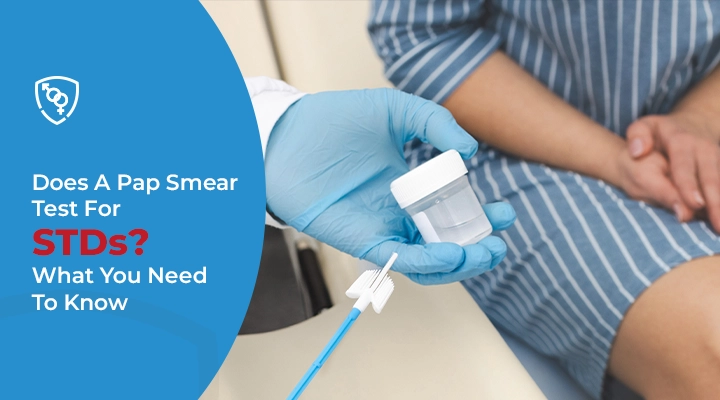
No. A Pap smear does not routinely test for STDs. It examines cervical cells for abnormal or precancerous changes linked to cervical cancer. An HPV test may be performed during the same visit, but separate urine, swab or blood tests are generally needed for chlamydia, gonorrhea, HIV, syphilis and other infections.
A normal Pap result only means that abnormal cervical cells were not found. It does not confirm that you have tested negative for sexually transmitted infections.
What Does A Pap Smear Test For?
A Pap smear, also called a Pap test or cervical cytology, collects cells from the cervix.
A laboratory examines these cells for:
- Abnormal cervical cell changes
- Precancerous cells
- Cervical cancer cells
- Changes that may be associated with high-risk HPV
The relationship between a Pap smear and STDs is often misunderstood. A Pap test may occasionally identify inflammation or other unexpected findings, but it is not designed to diagnose most sexually transmitted infections.
If you want a Pap smear test for STD concerns, ask whether dedicated STI tests will also be ordered. These are separate from the Pap test, even when all samples are collected during the same visit.
Does A Pap Smear Test For HPV?
Not directly. A Pap test looks for abnormal cervical cells. An HPV test looks for selected high-risk types of human papillomavirus that can increase the risk of cervical cancer.
An HPV test may be performed:
- By itself for cervical cancer screening
- Alongside a Pap test, known as cotesting
- After certain abnormal Pap results
- Using material from the same liquid-based cervical sample
HPV is an STI, but an HPV test is not a comprehensive STD test. It does not check for chlamydia, gonorrhea, HIV, syphilis or other infections.
Sometimes cell changes caused by HPV may be found through a Pap test. However, this does not mean that every STD is diagnosed by a Pap test. Direct HPV testing and testing for other infections remain separate laboratory procedures.
What Is The Difference Between A Pap Smear And An STD Test?
The main difference between a Pap smear and an STD test is what each test is designed to detect.
| Test | Main purpose | Typical sample |
| Pap test | Detect abnormal or precancerous cervical cells | Cervical cells |
| HPV test | Detect selected high-risk HPV types | Cervical or vaginal sample |
| Chlamydia or gonorrhea test | Detect specific bacterial STIs | Urine or swab |
| HIV test | Detect HIV infection | Blood or oral fluid |
| Syphilis test | Detect evidence of syphilis infection | Blood |
| Herpes test | Evaluate a suspected herpes infection when appropriate | Lesion swab or blood |
One test cannot replace another. A pelvic exam, Pap smear, HPV test and STI screening may all happen during one visit, but each serves a different purpose.
What STDs Require Separate Testing?
Dedicated testing is generally required for:
The testing method depends on the infection and the location of possible exposure. Testing may involve urine, a vaginal or cervical swab, blood or a swab from a genital lesion.
Oral or anal sexual contact may require throat or rectal swabs. A genital or urine test may not identify an infection located only in the throat or rectum. Tell your healthcare provider about relevant exposure sites so the appropriate tests can be selected.
Can You Get STD Testing During A Pap Smear Appointment?
Yes. STD testing with a Pap smear can often be completed during the same healthcare visit. However, the Pap smear itself does not test for the STI.
A provider may collect cervical cells for the Pap test and then take separate samples for chlamydia, gonorrhea or trichomoniasis. Blood tests may also be ordered for HIV, syphilis or hepatitis.
If you want a Pap smear check for STD exposure, ask:
- Which infections am I being tested for?
- Were STI tests ordered separately?
- Were all relevant exposure sites tested?
- When should I expect each result?
If your Pap appointment did not include separate STI screening, STD services which are available at Manhattan STD Testing can help determine which tests fit your exposure, symptoms and screening history.
When Should You Get Tested For STDs?
Consider dedicated STI testing if:
- You have a new sexual partner
- You had sexual contact without a condom or barrier
- A partner was diagnosed with an STI
- You have unusual discharge, genital sores, pelvic pain or burning during urination
- You had oral or anal sexual exposure
- You are pregnant or planning a pregnancy
- You are due for screening based on your age or individual risk
- You are uncertain about your partner’s STI status
Many STIs do not produce noticeable symptoms. Feeling healthy, having a normal pelvic exam or receiving a normal Pap result does not rule out an infection.
Testing recommendations depend on age, pregnancy, sexual history, exposure type, symptoms and previous infections. A healthcare provider can help you choose targeted tests or a comprehensive STD panel.
Conclusion
A Pap smear is an important cervical cancer screening tool, but it does not replace dedicated STI testing. If you recently received a Pap test, review your laboratory report or ask your provider which separate infections were tested.
Manhattan STD Testing provides confidential, judgment-free testing based on your symptoms, exposure sites and individual risk. Same-day appointments may be available and most results are available within 3–4 business days. Call +1-646-454-9000 to schedule your visit.
Frequently Asked Questions
Can a Pap smear show when you contracted HPV?
No. It cannot determine when or from whom HPV was acquired.
Can you have a Pap smear during your period?
Possibly, but heavy bleeding may affect the sample. Ask whether you should reschedule.
Should you avoid sex before a Pap smear?
Yes. Avoid vaginal sex for about 2 days before testing unless instructed otherwise.
Do you need Pap tests after HPV vaccination?
Yes. The vaccine does not protect against every high-risk HPV type.
Can an abnormal Pap result affect pregnancy?
Usually not directly. However, abnormal cell changes may require additional monitoring or treatment.
Disclaimer
This blog is for informational & educational purposes only and does not intend to substitute any professional medical advice or consultation. For any health-related concerns, please consult with your physician or call 911.

About The Author
Dr. Syra Hanif M.D.Board Certified Primary Care Physician

Dr. Syra Hanif is a board-certified Primary Care Physician (PCP) dedicated to providing compassionate, patient-centered healthcare.