



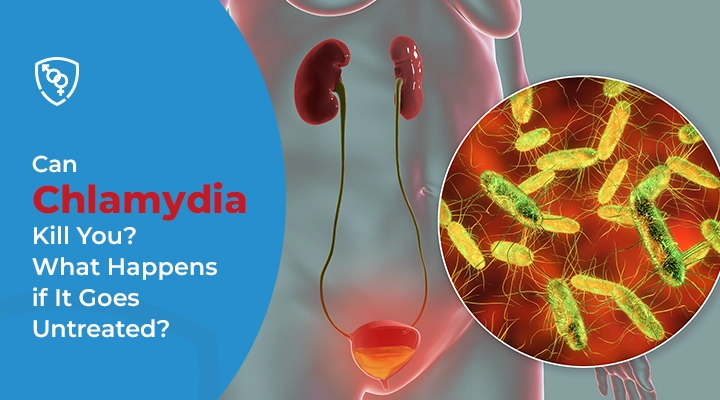
Can chlamydia kill you? Chlamydia rarely causes death directly because it is a curable bacterial infection. However, untreated chlamydia can cause pelvic inflammatory disease (PID), infertility, pregnancy complications and an ectopic pregnancy. In rare cases, these complications can become life-threatening. Early testing and antibiotic treatment greatly reduce these risks.
What Is Chlamydia?
Chlamydia is a sexually transmitted infection caused by the bacterium Chlamydia trachomatis. It spreads mainly through vaginal, anal or oral sex with someone who has the infection. It can also pass from a pregnant person to their baby during delivery.
Chlamydia can infect the:
- Genitals
- Rectum
- Throat
Many people have no noticeable symptoms. This allows untreated chlamydia to remain undetected and spread to sexual partners. The good news is that you can get rid of chlamydia with antibiotics prescribed by a healthcare provider.
Can Untreated Chlamydia Kill You?
Death directly from chlamydia is extremely rare. The greater concern is what happens when the infection spreads or causes lasting damage.
In people with female reproductive organs, chlamydia can spread from the cervix to the uterus and fallopian tubes, causing pelvic inflammatory disease. PID can cause scarring, abscesses, infertility and an increased risk of ectopic pregnancy.
An ectopic pregnancy develops outside the uterus, usually in a fallopian tube. If the tube ruptures, it can cause life-threatening internal bleeding and requires emergency treatment. A severe pelvic infection or ruptured abscess can also become dangerous, although this is uncommon.
In most cases, testing and timely antibiotic treatment stop chlamydia before these complications develop.
What Happens If Chlamydia Goes Untreated?
The long-term effects of chlamydia differ depending on where the infection occurs and how far it spreads. Someone may develop complications even if the original infection produces no obvious symptoms.
Long-Term Effects In Women
Untreated chlamydia can lead to serious reproductive complications if not addressed early.
Chlamydia left untreated may cause:
- Pelvic inflammatory disease: An infection involving the uterus, fallopian tubes or other reproductive organs
- Chronic pelvic pain: Ongoing pain caused by inflammation or internal scarring
- Infertility: Scar tissue may block the fallopian tubes and make pregnancy more difficult
- Ectopic pregnancy: A pregnancy outside the uterus that can cause dangerous internal bleeding
- Tubo-ovarian abscess: A collection of infected fluid that may require hospital treatment
The initial damage caused by chlamydia often goes unnoticed. This is why a person should not rely on symptoms to decide whether testing is necessary.
Long-Term Effects in Men
Untreated chlamydia in men can lead to complications such as epididymitis, testicular pain and in rare cases, fertility problems.
Complications are less common in men, but untreated chlamydia may cause:
- Epididymitis, which is inflammation of the tube beside a testicle
- Testicular pain, tenderness or swelling
- Fever
- Urethral inflammation
- Fertility problems in rare cases
These symptoms need medical evaluation because other conditions can produce similar pain or swelling.
Complications During Pregnancy
Untreated chlamydia during pregnancy may increase the risk of premature delivery and other pregnancy complications. The infection can also pass to a newborn during childbirth, potentially causing pneumonia or a serious eye infection.
Testing during pregnancy helps identify chlamydia before it affects the pregnant person or baby.
How Long Can You Have Chlamydia Before It Causes Damage?
There is no safe period for leaving chlamydia untreated. It can persist for months or even years without symptoms, so many people don’t realize they have it.
The risk of complications varies by person and may develop without warning. The longer it goes untreated, the greater the chance of spread and inflammation. Testing after possible exposure is always safer than waiting for symptoms.
Can Chlamydia Be Cured?
Yes, chlamydia can be cured with the correct prescription antibiotics. Treatment eliminates the bacteria and helps prevent transmission and future complications.
If you receive treatment:
- Take every dose exactly as prescribed
- Complete the entire course, even if symptoms improve
- Follow your provider’s instructions about avoiding sexual activity
- Tell recent sexual partners so they can receive testing and treatment
- Complete any recommended follow-up or repeat testing
Antibiotics cure the active infection, but they may not reverse scarring or other permanent damage that has already occurred. Reinfection is also possible if an untreated partner still has chlamydia.
When Should You Get Tested For Chlamydia?
You should get tested after any unprotected sexual contact or if you have a partner who tests positive or if you notice symptoms.
Consider getting tested if:
- You had vaginal, anal or oral sex without a condom
- A sexual partner tested positive for chlamydia
- You have a new or multiple sexual partners
- You experience possible chlamydia symptoms
- You are pregnant or planning a pregnancy
- A healthcare provider recommends routine STI screening
Possible symptoms include:
- Unusual vaginal or penile discharge
- Burning or pain during urination
- Pelvic or lower-abdominal pain
- Bleeding between periods or after sex
- Pain during sex
- Testicular discomfort or swelling
- Rectal pain, bleeding or discharge
These symptoms do not confirm chlamydia because other infections can cause similar problems. A urine test or swab is needed to identify the infection.
Seek urgent medical care for severe pelvic or abdominal pain, fainting, heavy bleeding, shoulder pain during a possible pregnancy or sudden severe testicular pain.
Get Confidential Chlamydia Testing In NYC
You cannot determine whether you have chlamydia based on symptoms alone. Manhattan STD Testing provides confidential chlamydia testing with same-day appointments and walk-in availability at convenient Manhattan and Queens locations.
Testing may involve a urine sample or swab, depending on the site of possible exposure. Most laboratory results are available within 3–4 business days. If the result is positive, a healthcare provider can explain the appropriate treatment and next steps.
Early testing protects your health, fertility and sexual partners. Book a confidential appointment with Manhattan STD Testing instead of waiting for symptoms to appear.
Conclusion
Chlamydia is curable and rarely life-threatening on its own, but ignoring it can lead to serious and sometimes permanent complications. Because the infection often has no symptoms, timely testing is the safest way to detect it, begin treatment and protect your long-term health.
Frequently Asked Questions
Can chlamydia damage your organs without causing symptoms?
Yes. Chlamydia can cause inflammation and reproductive-organ damage even when there is no pain, discharge or burning. This is why symptom-free infections may still require treatment.
Can untreated chlamydia spread beyond the reproductive system?
In rare cases, untreated chlamydia can trigger reactive arthritis, causing inflammation in the joints, eyes and urinary tract. Most complications, however, involve the reproductive system.
Does curing chlamydia reverse the damage it caused?
Antibiotics eliminate the infection but cannot always reverse existing scar tissue, blocked fallopian tubes or chronic pelvic pain. Earlier treatment reduces the risk of permanent damage.
Can fertility return after untreated chlamydia?
It depends on whether permanent reproductive damage has occurred. Some people conceive normally after treatment, while those with significant scarring or blockage may experience fertility difficulties.
What warning signs suggest a serious chlamydia complication?
Severe pelvic pain, fever, fainting, heavy bleeding, shoulder pain during a possible pregnancy or sudden testicular pain may indicate a serious complication and require prompt medical care.
Disclaimer
This blog is for informational & educational purposes only and does not intend to substitute any professional medical advice or consultation. For any health-related concerns, please consult with your physician or call 911.

About The Author
Dr. Syra Hanif M.D.Board Certified Primary Care Physician

Dr. Syra Hanif is a board-certified Primary Care Physician (PCP) dedicated to providing compassionate, patient-centered healthcare.