



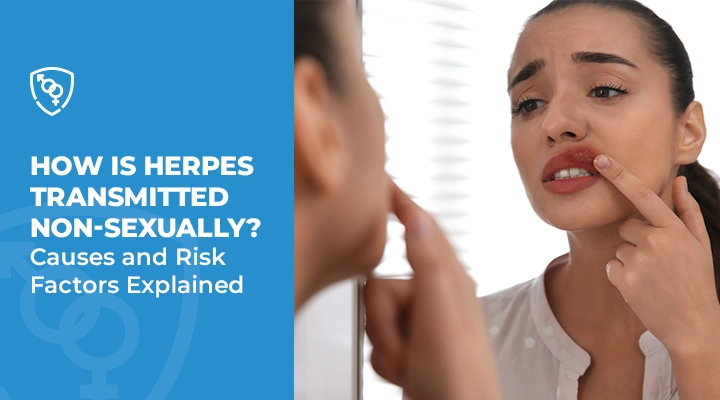
Herpes is one of the most common viral infections globally, and it’s not always transmitted through sexual contact. In fact, many people don’t realize that herpes can spread non-sexually. Understanding how herpes is transmitted, along with its risk factors, can help you protect yourself and others. This article will explore the causes of non-sexual herpes transmission, debunk common misconceptions, and offer practical advice for prevention.
This article will provide the facts on herpes transmission, including non-sexual routes like kissing, sharing personal items, or skin-to-skin contact.
Common Misconceptions About Herpes Transmission
A major myth surrounding herpes is that it’s only spread through sexual contact. While HSV (Herpes Simplex Virus) can be transmitted sexually, it can also spread in other ways. In fact, many people contract herpes without ever engaging in sexual activity. If you’re wondering “Can you get herpes from kissing?” or “Can you get herpes from sharing a drink?”, the answer is yes – it’s possible.
What Is Herpes And How Does It Spread?
Herpes is caused by two types of herpes simplex virus:
- HSV-1: Primarily causes oral herpes (cold sores), but can also lead to genital herpes.
- HSV-2: Mostly causes genital herpes, but can occasionally lead to oral herpes.
Both types of HSV can be transmitted even if symptoms aren’t visible, such as through asymptomatic shedding. This means a person can spread the virus without even knowing they’re infected, especially when sores aren’t present.
Key Symptoms of Herpes:
- Painful blisters or sores (usually around the mouth or genital area)
- Itching or burning sensations
- Flu-like symptoms in the early stages
Can Herpes Be Transmitted Through Saliva?
Yes, HSV-1, the virus responsible for most cold sores, can be transmitted through saliva. The most common way this happens is via oral-to-oral contact, such as kissing. If someone has an active outbreak of oral herpes, it’s easy to pass the virus to another person through direct contact with the sores.
Even when there are no visible sores, herpes can still be transmitted through asymptomatic shedding of the virus in saliva. This is why people often wonder, can you get herpes from kissing? The answer is yes, even without visible sores, HSV-1 can still spread.
Reducing Risk:
- Avoid kissing when there are active cold sores or blisters.
- Be aware that someone might transmit herpes even without symptoms.
Can You Get Herpes From Sharing Items?
Herpes can also spread when sharing personal items, especially when the virus comes into contact with broken skin. If you’ve ever wondered, can you get herpes from a towel? or can you get herpes from smoking with someone?, the risk is real but generally low unless certain conditions are met.
Shared Personal Items:
Items like towels, razors, lip balm, or even makeup can carry the herpes virus if they’ve come into contact with an infected area. If someone with an active outbreak of herpes shares these items, there is a risk of transmission, particularly if there are open sores or cuts on the skin.
Drinks and Utensils:
Sharing drinks, cups, or utensils may also carry a risk of spreading herpes, but this is much less common. HSV-1 can be transmitted through saliva, so while the risk is lower, it’s still possible.
Can Skin-to-Skin Contact Transmit Herpes?
Yes, HSV-1 can be transmitted through skin-to-skin contact, even when there are no visible sores. This type of transmission typically happens when one person has the virus on their skin, such as on their hands, and then comes into contact with someone else’s skin. This is especially true for non-sexual contact.
Although HSV-2 is primarily transmitted through sexual activity, it can be spread through skin-to-skin contact, though this is less common.
Reducing Risk:
- Avoid skin-to-skin contact with someone who has visible sores or an active outbreak.
- Wash hands thoroughly if you’ve come into contact with an infected area.
What Are The Chances Of Getting Herpes From A Woman vs A Man?
The chances of contracting herpes from a woman or a man are largely similar, but the risk may vary depending on whether there are active outbreaks or asymptomatic shedding. Women tend to shed the virus more frequently than men, so there could be a slightly higher chance of transmission.
Gender Differences:
- Asymptomatic shedding occurs more often in women, which increases transmission risk.
- Men can also spread the virus, but it’s less frequent compared to women.
These factors can influence the risk of transmission, and the presence of active outbreaks also plays a significant role in spreading the virus. However, using protection and antiviral medications can significantly reduce the chances of transmission.
How Can You Prevent Herpes Transmission?
While herpes is a lifelong infection, the good news is that it’s manageable, and there are ways to reduce the risk of transmission. Here are some prevention tips:
- Avoid contact with open sores: This includes kissing or engaging in physical activities that involve skin-to-skin contact with an active outbreak.
- Use protection during sexual activity: Condoms or dental dams can help reduce the risk of herpes transmission, but they don’t provide complete protection, especially if sores are present in areas not covered by the condom.
- Don’t share personal items: Avoid sharing towels, razors, or lip balm, especially if someone has an active herpes outbreak.
- Get tested: Regular screenings can help detect herpes infections early, even when there are no symptoms. If you’re concerned or need peace of mind, consider scheduling herpes testing to get accurate results and personalized guidance.
What To Do If You Have Herpes
If you’ve been diagnosed with herpes, there are steps you can take to manage the infection:
- Take antiviral medications: These can help reduce the frequency and severity of outbreaks.
- Avoid contact during outbreaks: Refraining from close contact during active outbreaks is crucial for preventing the spread of the virus.
When Should You See A Doctor?
If you experience any unexplained sores or painful outbreaks, or if you’re concerned about the possibility of herpes, it’s important to see a doctor. A healthcare provider can provide guidance on how to manage symptoms and minimize the risk of transmission. Manhattan STD Testing offers comprehensive consultations and testing for those seeking more information on their sexual health.
Conclusion
Herpes is more common than many people realize, and it’s not always sexually transmitted. Understanding how herpes is transmitted non-sexually can help you reduce your risk and take preventive actions. Whether it’s through saliva, shared items, or skin-to-skin contact, knowledge is key. By following preventive measures and seeking treatment when necessary, you can effectively manage herpes and minimize the risk of spreading it to others.
Remember, open communication and safe practices are essential in reducing transmission, and early treatment can significantly improve quality of life for those living with herpes. For a more comprehensive screening of all STDs, including herpes, you may also want to consider the comprehensive STD panel available at Manhattan STD Testing.
Frequently Asked Questions
Can you get herpes from sharing utensils?
Yes, herpes can spread through saliva. Sharing utensils with someone who has an active outbreak may transmit the virus.
Can you get herpes from clothes?
The risk is low. Herpes is more likely to spread through moist items like towels, but transmission through clothes is rare.
Can you get herpes from lipstick?
Yes, sharing lipstick or lip balm can spread herpes if it contacts someone’s cold sore or infected saliva.
Can you get herpes from a toothbrush?
Yes, herpes can be transmitted by sharing a toothbrush if it comes into contact with infected saliva.
Can you get herpes from using someone’s razor?
Yes, sharing razors can spread herpes, especially if the razor comes into contact with broken skin or sores.
Disclaimer
This blog is for informational & educational purposes only and does not intend to substitute any professional medical advice or consultation. For any health-related concerns, please consult with your physician, or call 911.

About The Author
Dr. Syra Hanif M.D.Board Certified Primary Care Physician

Dr. Syra Hanif is a board-certified Primary Care Physician (PCP) dedicated to providing compassionate, patient-centered healthcare.