



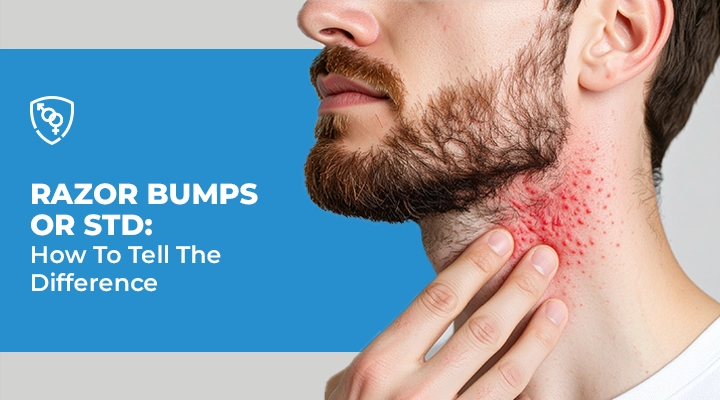
If you’ve noticed bumps in your pubic area after shaving, you might be wondering: are these razor bumps or could it be an STD? It’s a common concern, and while it’s understandable to worry, the good news is that most shaving-related bumps aren’t STDs. Understanding the difference between razor bumps and STD-related bumps can help you feel more at ease and make informed decisions about your health.
In this article, we’ll walk you through what razor bumps are, how to distinguish them from STD symptoms, and what you can do to treat and prevent both. Let’s break it down.
What Are Razor Bumps (Ingrown Hairs)?
Razor bumps, also known as ingrown hairs, occur when hair grows back into the skin after shaving. When you shave, the sharp edge of the razor can cut hair at an angle, leading it to curl back under the skin instead of growing straight out. This causes irritation, redness, and sometimes even infection.
Common Causes Of Razor Bumps:
- Shaving too close to the skin, causing hair to grow back inward.
- Shaving in the wrong direction (against hair growth).
- Using a dull razor or shaving with excessive pressure.
- Sensitive areas like the pubic region, where skin is more delicate.
Razor bumps on the private part can be particularly uncomfortable because the skin in this area is thinner and more prone to irritation. Similarly, shaving bumps in the pubic area are common, especially if you’re using a razor that doesn’t glide smoothly.
How To Identify Razor Bumps vs STDs
At first glance, razor bumps and certain STD-related bumps can look similar. However, there are key differences to look out for:
Razor Bumps:
- Appearance: Small, red, raised bumps, often appearing in the area you shaved.
- Location: Typically only where you’ve shaved.
- Symptoms: May be itchy, tender, or mildly painful. Usually, they don’t have additional symptoms.
- Duration: Razor bumps generally resolve on their own within a few days to a week.
STDs:
- Appearance: STD-related bumps can vary in appearance, including:
- Painful sores, blisters, or ulcers (such as with herpes).
- Painless sores (such as syphilis chancres).
- Warts that can appear as raised bumps (HPV).
- Associated Symptoms: STDs are often accompanied by flu-like symptoms such as fever, swollen lymph nodes, or discharge from the genitals.
- Duration: STDs typically last longer and may recur without proper treatment.
Common STDs That Cause Bumps or Sores
Certain sexually transmitted diseases (STDs) can cause bumps or sores in the genital area, and it’s important to recognize their signs:
Herpes (HSV):
- Appearance: Painful, fluid-filled blisters or sores around the genital or anal areas.
- Symptoms: Burning or tingling sensations before sores appear, flu-like symptoms.
- Transmission: Can spread through skin-to-skin contact, even when no visible sores are present.
If you’re unsure whether your bumps are related to herpes, consider testing for herpes.
Syphilis:
- Appearance: Chancres painless sores usually appear weeks after exposure.
- Symptoms: Swollen lymph nodes and sometimes a rash.
- Transmission: Spread via direct contact with syphilis sores.
If you think you may have been exposed to syphilis, Manhattan STD Testing provides syphilis testing for accurate diagnosis.
HPV (Human Papillomavirus):
- Appearance: Warts that may appear as small, raised, rough-textured growths in the genital area.
- Symptoms: Generally painless, but can cause discomfort if irritated.
- Transmission: Spread through sexual contact, including vaginal, anal, and oral sex.
HPV testing is available at Manhattan STD Testing if you suspect your bumps are warts.
How to Tell the Difference Between Razor Bumps and STD Bumps
Here’s a quick way to distinguish between razor bumps and STD-related bumps:
- Razor Bumps: Red, raised, often itchy bumps that appear right after shaving. Not associated with other symptoms like fever, swelling, or discharge.
- STD Bumps: Bumps that appear as sores, ulcers, or warts. Often accompanied by other symptoms, like fever, pain, or unusual discharge. STDs may also appear in areas that weren’t shaved.
If you’re ever in doubt, testing is the only way to be sure. Manhattan STD Testing offers a comprehensive STD panel to test for a variety of STDs at once, providing you with peace of mind and clear answers.
How to Treat Razor Bumps and Prevent Them
Shave Properly:
- Always use a clean razor, shave in the direction of hair growth, and avoid pressing too hard.
Moisturize:
- Use an alcohol-free aftershave or moisturizer to calm the skin.
Home Remedies:
- Apply warm compresses to soothe irritation.
- Exfoliate gently to remove dead skin and prevent ingrown hairs.
- Use soothing creams with ingredients like aloe vera or hydrocortisone to reduce inflammation.
How to prevent razor bumps on pubic area:
- Use shaving gels or creams designed for sensitive skin.
- Avoid tight clothing after shaving to prevent friction.
- Shave less frequently, allowing your skin to heal between sessions.
When To Seek Medical Help For Bumps Or Sores
If you notice persistent, painful bumps, or if the bumps are accompanied by flu-like symptoms, it’s time to consult a healthcare provider. An STD test is essential if there’s a risk of sexual transmission. This is especially important if you’ve had unprotected sex or notice unusual changes in your skin.
At Manhattan STD Testing, we offer confidential, same-day testing with results you can trust, helping you make informed decisions about your sexual health.
Can Razor Bumps Spread?
- Razor bumps are typically localized to the area you shaved and do not spread to other parts of your body.
- STDs: Yes, STDs can spread to other areas of the body and can be transmitted to sexual partners through unprotected sexual contact.
How To Manage Shaving-Related Skin Irritation In Sensitive Areas
When shaving the pubic area, it’s crucial to use the right tools and products:
- Use sharp razors to avoid tugging at hair.
- Apply shaving cream designed for sensitive areas.
- Aftercare: Use products like aloe vera gel or a moisturizing lotion to keep the skin soft and reduce irritation.
STD Testing And Prevention Tips
If you’re sexually active, especially with multiple partners or without barrier protection, regular STD testing is crucial for maintaining your sexual health. Protect yourself and your partners by using condoms and dental dams during sexual activity. They reduce the risk of STD transmission.
At Manhattan STD Testing, we offer a wide range of testing services for peace of mind. Our confidential STD testing provides quick, accurate results so you can take control of your sexual health.
Conclusion
In most cases, razor bumps are not STDs. They are typically caused by irritation from shaving, especially in sensitive areas. With the right treatment and preventive measures, razor bumps can be managed and avoided. However, if you notice persistent bumps, painful sores, or flu-like symptoms, it’s important to seek medical attention to rule out any potential STDs.
Remember, regular STD testing is key to maintaining sexual health, especially if you’re engaging in sexual activity with new or multiple partners. If in doubt, always reach out to a healthcare provider for guidance. At Manhattan STD Testing, we’re here to support you in your journey toward optimal sexual health.
Frequently Asked Questions
Can shaving cause long-term skin damage or irritation in sensitive areas?
Shaving can cause temporary irritation and razor bumps, but with proper techniques, like shaving in the hair growth direction and moisturizing, it typically doesn’t cause long-term damage.
Are there any signs that a razor bump could be an infection?
If a razor bump becomes painful, swollen, or leaks pus, it may be infected. Apply antiseptic cream and avoid further irritation. Seek medical attention if symptoms worsen.
Can an STD appear similar to a razor bump on the skin?
Yes, STDs like herpes or genital warts can look like razor bumps but are usually accompanied by pain, itching, or discharge. Testing is needed for confirmation.
What happens if I have both razor bumps and an STD at the same time?
Both conditions can occur together, but they require separate treatments. Consult a healthcare provider for proper diagnosis and treatment for both.
Is it necessary to get tested for STDs if I only have razor bumps?
If the bumps are due to shaving and not linked to other symptoms, you likely don’t need testing. However, if symptoms persist or worsen, consider getting tested.
Disclaimer
This blog is for informational & educational purposes only and does not intend to substitute any professional medical advice or consultation. For any health-related concerns, please consult with your physician, or call 911.

About The Author
Dr. Syra Hanif M.D.Board Certified Primary Care Physician

Dr. Syra Hanif is a board-certified Primary Care Physician (PCP) dedicated to providing compassionate, patient-centered healthcare.