



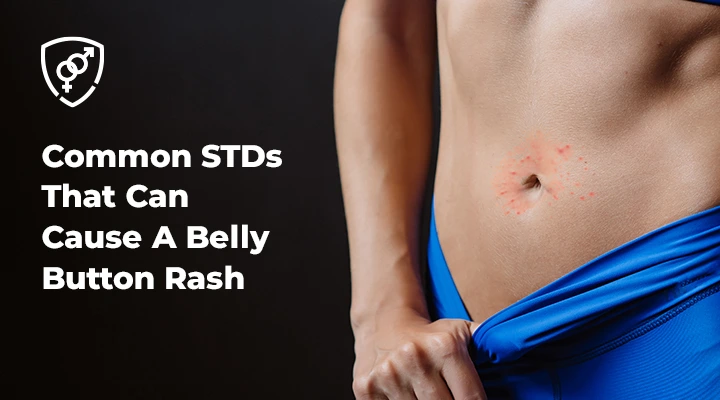
A belly button rash can be uncomfortable and concerning, especially when redness, itching, or irritation appear without a clear cause. While most belly button rashes are not sexually transmitted, some STDs can cause skin changes on the torso, including the navel area.
This article explains why belly button rashes occur, which STDs may be involved, how to tell STD-related rashes apart from common infections, and when STD testing is recommended. When testing is needed, Manhattan STD Testing provides confidential care and fast results.
Why the Belly Button Gets Rashes Easily
The belly button is a warm, moist skin fold that traps sweat, debris, and bacteria. Limited airflow and friction from clothing make it especially prone to irritation and infection, even with good hygiene.
Common Non-STD Causes of a Belly Button Rash
Before assuming an STD, it’s important to know that the vast majority of belly button rashes are caused by non-sexually transmitted conditions.
Belly Button Yeast Infection
A belly button yeast infection (caused by Candida) is one of the most frequent causes of irritation in the navel.
Typical symptoms include:
- Red or pink rash
- Intense itching
- Moist or shiny skin
- White or yellow belly button discharge
- A sour or musty odor
A yeast infection in the belly button thrives in warm, moist areas and is more common in people who sweat heavily, have diabetes, or wear tight clothing.
Belly Button Bacterial Infection
A belly button bacterial infection can occur when bacteria enter through small cracks in the skin.
Symptoms may include:
- Increasing redness and swelling
- Pain or tenderness
- Thick yellow or green discharge
- Crusting or oozing
Contact Dermatitis and Irritation
Skin reactions to soaps, body washes, detergents, nickel from belts, or friction can lead to:
- Red belly button
- Burning or itching
- Dry, flaky, or irritated skin
STDs That Can Cause or Contribute to a Belly Button Rash
STDs rarely start in the belly button, but some can cause rashes or lesions on the abdomen that may involve the navel.
Syphilis
Secondary syphilis often causes a widespread, non-itchy STD rash on the torso. The belly button area may be affected.
Because syphilis can mimic other skin conditions, testing is essential. Syphilis testing can confirm the diagnosis and guide treatment.
Herpes (HSV-1 or HSV-2)
Herpes causes painful blisters or sores that may crust, ooze, or bleed. In rare cases, lesions can appear near the belly button.
If sores or bleeding from the belly button occur, herpes testing is recommended.
HPV (Human Papillomavirus)
HPV can cause small bumps or wart-like growths near the navel that are often mistaken for belly button irritation. Persistent or spreading skin changes should be evaluated with HPV testing.
Molluscum Contagiosum
This viral skin infection causes small, dome-shaped bumps with a central dimple and can spread through sexual contact in adults. It commonly affects the abdomen and may resemble a rash.
Symptoms That Suggest Infection
Certain symptoms suggest an active infection in the belly button, regardless of the cause:
- Persistent redness and soreness
- Itchy belly button that doesn’t improve
- Swelling or warmth
- Belly button discharge or unpleasant odor
- Belly button bleeding or crusting
These signs mean the skin barrier is compromised and should be evaluated.
Why Is My Belly Button Itchy, Red or Bleeding?
When inflammation or infection occurs:
- Blood vessels dilate, causing redness
- Nerve endings become irritated belly button, leading to itching or burning
- Fragile skin may crack, resulting in bleeding from the belly button
Bleeding is not considered normal and should always be medically assessed.
Early Signs Of A Belly Button Infection
An early stage belly button infection may start subtly:
- Mild redness
- Moistness
- Occasional itching
- Slight odor
Prompt treatment at this stage often prevents worsening symptoms.
Can A Belly Button Infection Be Dangerous?
Serious complications are rare, but untreated infections can spread to surrounding skin or deeper tissues, particularly in people with weakened immune systems.
Seek urgent care if you experience:
- Fever
- Rapidly spreading redness
- Severe pain
- Thick pus or worsening bleeding
How Doctors Diagnose the Cause
To identify the source of a belly button rash, our clinicians may use:
- A physical examination
- Skin swabs to test for yeast or bacteria
- STD testing if sexual risk factors are present
- Blood tests for infections like syphilis, often referred to as blood work for STD screening
Accurate diagnosis ensures the correct treatment.
Treatment Options
Treatment depends on the underlying cause:
- Antifungal creams for yeast
- Antibiotics for bacterial infections
- Antiviral medications for herpes
- Gentle cleaning and thorough drying
- Avoidance of irritants
If you’re wondering how to treat an itchy belly button, addressing the root cause is essential.
When To Get STD Testing
STD testing is recommended if:
- You’ve had recent unprotected sex
- You have multiple sexual partners
- The rash doesn’t heal or keeps returning
- There are sores, bleeding, or other STD symptoms
Testing provides clarity, reassurance, and early treatment when needed. At Manhattan STD Testing, patients can access discreet options including Rapid STD Testing with clear guidance on next steps.
Prevention Tips
To reduce the risk of future belly button problems:
- Clean gently with mild soap
- Dry the area completely after bathing
- Avoid harsh or scented products
- Wear breathable clothing
- Practice safer sex and regular STD testing
When To See A Doctor
Medical evaluation is important if:
- A rash lasts longer than a week
- There is belly button discharge or bleeding
- Pain, swelling, or fever develops
- Painful sores appear
Conclusion
A belly button rash is usually caused by yeast, bacteria, or irritation and is often easy to treat. However, some STDs can affect the skin around the navel. When symptoms persist or STD risk exists, timely evaluation and testing at Manhattan STD Testing can provide answers, treatment, and peace of mind.
Frequently Asked Questions
Can stress cause a belly button rash?
Indirectly, yes. Stress can weaken immune function, making existing irritation or infections in the belly button more likely to flare up.
Is belly button pain always a sign of infection?
No. Pain can come from irritation, friction, or trapped debris. Infection is more likely if pain occurs with redness, discharge, swelling, or odor.
Can swimming or sweating trigger belly button problems?
Yes. Ongoing moisture encourages yeast and bacteria to grow, increasing the risk of belly button irritation or infection.
Should I cover my belly button if it’s irritated?
Usually no. Covering can trap moisture and worsen symptoms. Keeping the area clean and dry is typically better.
Can a belly button rash spread to other areas of the body?
Yes. Untreated fungal or viral infections can spread to nearby skin, which is why early treatment is important.
Disclaimer
This blog is for informational & educational purposes only and does not intend to substitute any professional medical advice or consultation. For any health-related concerns, please consult with your physician, or call 911.

About The Author
Dr. Syra Hanif M.D.Board Certified Primary Care Physician

Dr. Syra Hanif is a board-certified Primary Care Physician (PCP) dedicated to providing compassionate, patient-centered healthcare.